

Astana · Photo: Bgag, CC0 1.0, Wikimedia Commons
Generators for Kazakhstan: Starting at −30 °C and Remote Sites
Diesel generators for Kazakhstan from a Turkish manufacturer: 220/380 V 50 Hz, reliable starts below −30 °C, fuel and redundancy on remote sites. 10–4,125 kVA.
Terms for sales outside Türkiye
- Dispatch
Models in stock: 2–3 business days; Perkins, Cummins, Volvo, Kubota, Scania and FPT Iveco: 3–4 weeks after order.
- Warranty outside Türkiye
12 months or 1,000 operating hours for all engine brands.
- Certificates
ISO 9001 · CE · TSE-HYB
- Export documents
A commercial invoice and packing list are prepared; a certificate of origin and any other documents the buyer requires are issued on request.
Secure purchase process
From company verification to the loading video: every step in writing.
- Company verification
- Proforma invoice
- Order confirmation
- Live factory video call
- Your set’s serial number
- Pre-shipment inspection
- Signed test report
- Payment and loading approval
- Loading video and documents
Terex Diesel is a diesel generator manufacturer in Türkiye (Turkey). Our 10–4,125 kVA sets are built at a 2,000 m² facility in Tuzla, Istanbul, and each one is full-load tested before it ships.
In northern Kazakhstan, winter nights below −30 °C are nothing unusual. In the south of the same country, summer temperatures approach 40 °C. On the steppe in between, construction sites and facilities are hundreds of kilometres apart. That is why, when we talk about generators for Kazakhstan, we talk about the cold first and the distance second.
Starting at −30 °C
A cold engine turns over with difficulty, a cold battery gives little current, and the wrong fuel thickens. For a backup set to start during an outage, or for a set on an off-grid site to come up first time in the morning:
- A block (coolant) heater keeps the engine warm at all times.
- The antifreeze is set for the lowest temperature on site.
- The battery is kept charged; a battery charger is a must.
- The fuel is chosen for cold weather.
- A canopy or container protects the set from wind and snow. You can look at the canopy options.
We decide the extra equipment needed by the lowest temperature on site. That is why we always ask for this temperature on the quote form.
Distance: fuel and redundancy
On a remote site the generator is the primary source and is selected on prime power. We calculate the tank capacity from consumption and the refuelling interval, and leave a margin for days when the roads may be closed. For the calculation, see our fuel tank sizing article.
If the nearest service point is far away, don’t rely on a single set. Running two sets in parallel with a synchronization panel keeps the site going while one is in maintenance.
The low-load trap
In a cold climate, running a large set at very low load for long periods creates a separate problem. The engine cannot reach operating temperature, and unburnt fuel builds up in the exhaust. That is why we select the set for the real load and advise you not to buy bigger than needed. On sites where the load drops sharply at night, two small sets run in better health than one large set. Test backup sets under load regularly too; we explain why in our load bank test article.
Summer in the south
In the southern regions the radiator works hard in the summer heat. We choose the radiator for the highest temperature. On the steppe the wind carries dust; we upgrade the air filtration accordingly. We explain the effect of temperature on power in our article on power loss.
Applications
Mining and industrial sites, construction and infrastructure projects, farms and livestock operations, backup for hospitals and commercial buildings, and telecom stations. For mains backup an ATS panel is used. For construction sites we also ship trailer-mounted generators and light towers.
Voltage and shipping
The grid is 50 Hz, 220/380 V. We ship the alternator set to this output.
The sets leave Türkiye by road, or on routes that combine road, rail and sea. Each one passes a full-load test before it leaves the factory. A commercial invoice, packing list and certificate of origin are provided; the shipping method, Incoterms and any further documents are agreed in writing at the quotation stage. Request a quote.
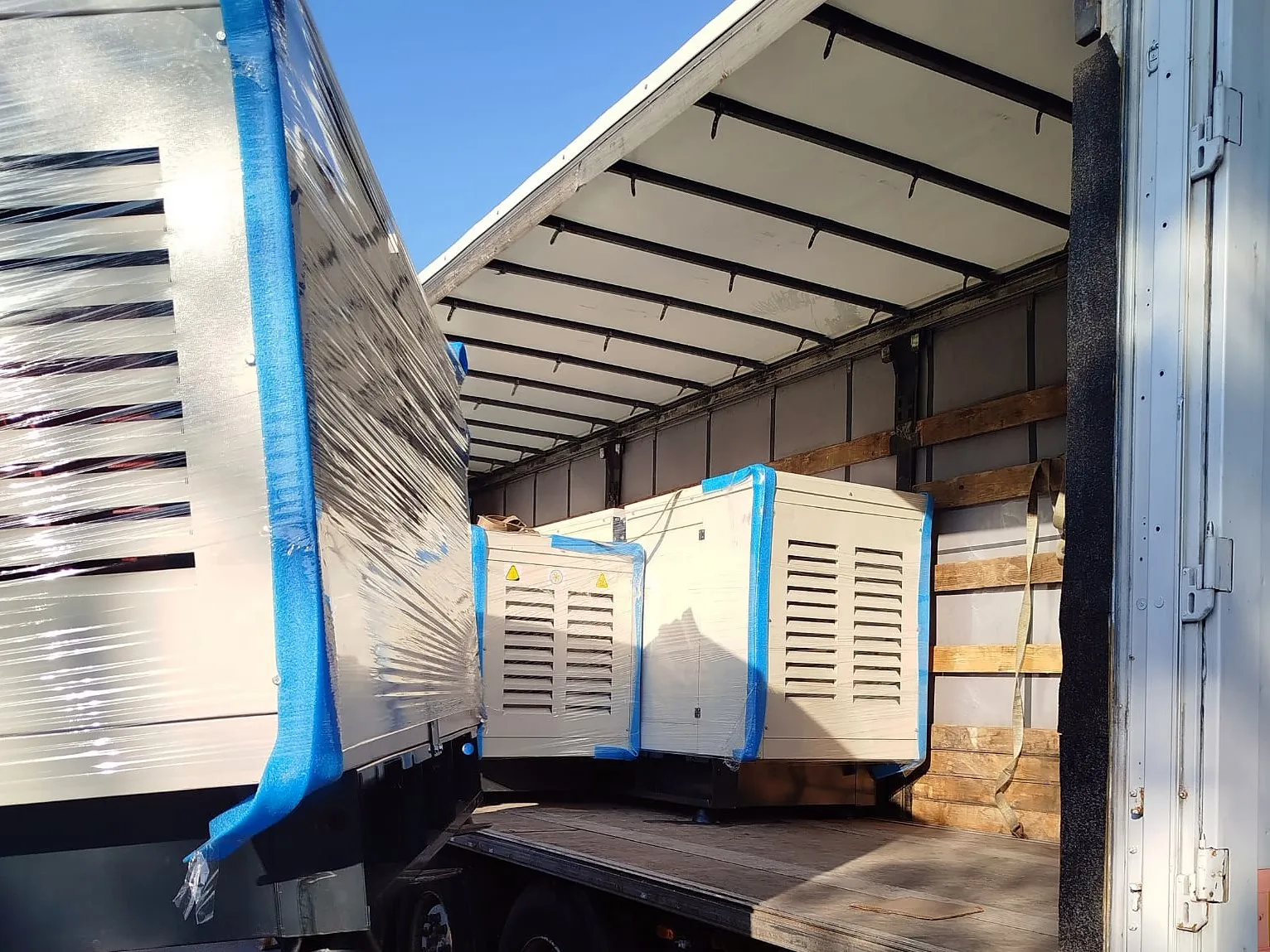
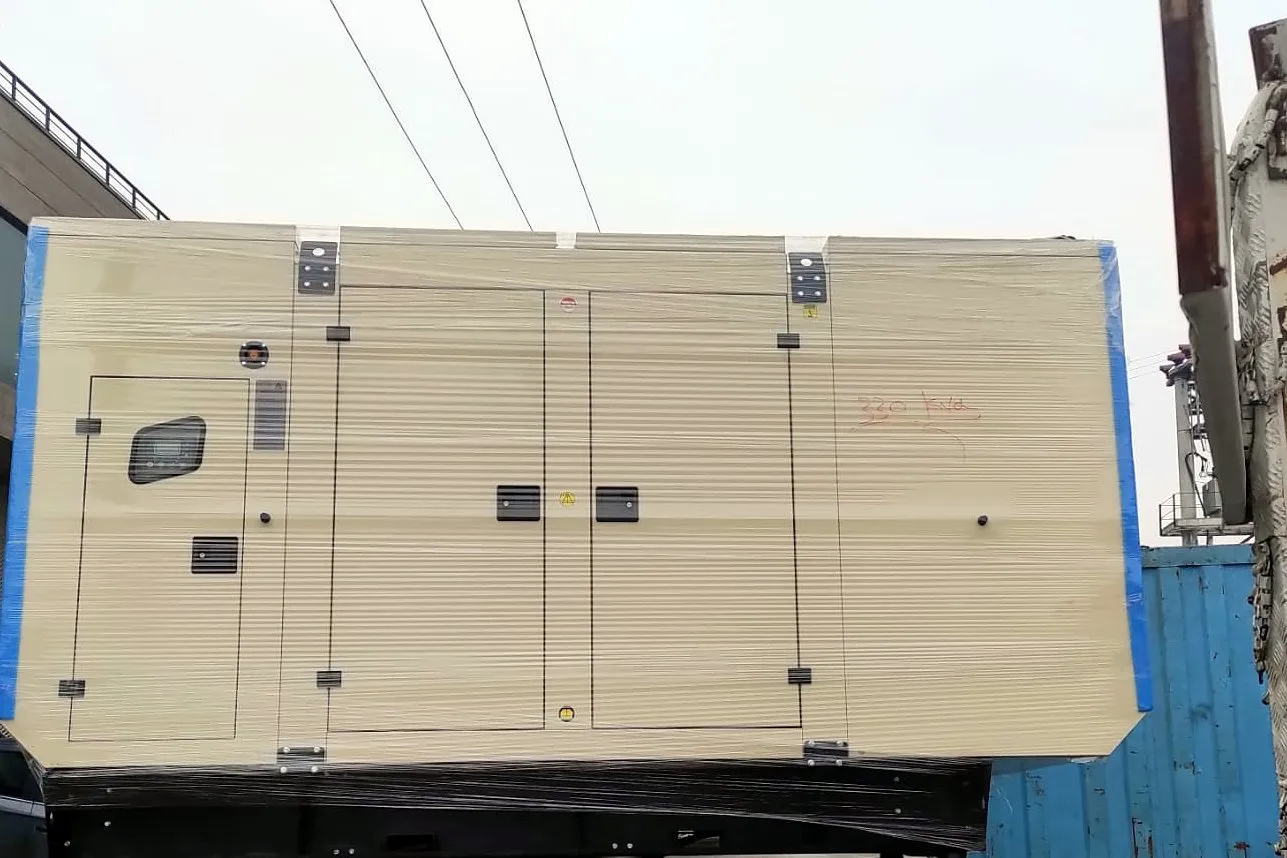
Lead time, documents and warranty
- Lead time
- Sets with Quartz, SDEC and Baudouin engines: 1–3 weeks after order confirmation, depending on stock. Sets with Perkins, Cummins, Volvo Penta, Kubota, Scania and FPT Iveco engines: 3–4 weeks after order confirmation. Sets with Kofo or Yuchai engines: 1–2 weeks after order confirmation. Transport time is added and depends on the route.
- Export documents
- Each shipment goes with the datasheet, factory full-load test report, commercial invoice, packing list and certificate of origin. Other documents required in your country are prepared on request.
- Warranty
- 12 months or 1,000 operating hours, for all engine brands.
- Factory visit
- You are welcome to visit our factory in Tuzla, Istanbul, to see production and the full-load test bench before you order. Contact us to arrange a date.
Request a quote for Kazakhstan
Tell us the power, duty, voltage, enclosure and panel you need, plus the site temperature and altitude, and we will work out the right configuration with you.
Frequently asked questions
What voltage and frequency do generators run at in Kazakhstan?
The Kazakh grid is 50 Hz, 220/380 V. The frequency is the same as the 50 Hz / 1,500 rpm ratings in our catalogue; we ship the alternator set to a 220/380 V output. Just state the voltage in your quote request.
How do you start a generator at −30 °C?
A block (coolant) heater keeps the engine warm at all times; the antifreeze is chosen for the lowest temperature and the fuel for cold weather; the battery is kept charged and warm. A canopied or containerised installation protects the set from wind and snow. The extra equipment needed is decided by the lowest temperature on site.
How is the fuel tank sized on a remote site?
The set’s hourly consumption under load, the daily running time and the refuelling interval are multiplied, and a margin is added for days when roads may be closed. On sites where refuelling can be delayed in winter, this margin is kept larger.