
What Is a Load Bank Test?
What is a load bank test and why is it done? Resistive and reactive load banks, a stepped test programme, readings to record, wet stacking and safety.
Contents
Monthly off-load test runs show that a generator runs, but not that it can carry the building load. A set that has been tested off-load for years may, when load is applied during a real outage, produce dark smoke, lose frequency and shut down on a high temperature alarm.
A load bank test is carried out to verify whether the generator can carry real load. A load bank is a device that applies a controlled, adjustable artificial load to the generator. During the test the facility’s real loads are not put at risk; the generator is run and measured at the required load for the required time.
Why is it done?
- Commissioning and acceptance: To show that the set really delivers its nameplate rating on site.
- Periodic verification: For facilities where the building load is too low to apply a meaningful load in the monthly tests.
- Clearing wet stacking: Unburned fuel and soot build up in an engine that runs at low load for long periods. Running at a controlled high load helps burn off this build-up. See the generator maintenance checklist.
- After repairs: To see that the set can take load safely after a major overhaul or parts replacement.
- System tests: Load sharing and loss-of-set scenarios in parallel systems; see synchronized (parallel) operation.
Types of load bank
| Type | What does it draw? | What does it test? |
|---|---|---|
| Resistive | kW only (power factor 1) | Engine, fuel and cooling system |
| Resistive-reactive (RL) | kW + kVAr (usually 0.8 power factor) | Engine + alternator, AVR, reactive sharing in parallel operation |
| Capacitive | Leading reactive power | Special applications, e.g. simulating UPS and filter behaviour |
A resistive load bank is more common and more practical. But the alternator is not tested at its rated current: a 500 kVA set on a resistive bank is at full engine load at 400 kW, while the alternator carries only about 80% of its rated current at 0.8 power factor. If the alternator and AVR are also to be fully tested, an RL load bank is used.
Load banks can be portable (trailer-mounted or containerised) or permanently installed at the facility. A permanent load bank is preferred in critical facilities that need frequent testing.
A typical test programme
The programme below is an example; the actual steps and durations are set by the project specification, the manufacturer’s recommendations and the standard applied.
| Step | Load | Duration (example) | What is monitored? |
|---|---|---|---|
| 1 | Off-load warm-up | 5–10 min | Oil pressure, temperatures, leaks |
| 2 | 25% | 30 min | Voltage, frequency, current balance |
| 3 | 50% | 30 min | Same values + exhaust temperature |
| 4 | 75% | 30–60 min | Temperatures settling |
| 5 | 100% | 60 min or more | Cooling adequacy, fuel consumption |
| 6 | Load steps | Short | Voltage and frequency dip on sudden load, recovery time |
| 7 | Cool-down | 5 min | Off-load running and shutdown |
How far voltage and frequency dip on sudden load steps and how quickly they recover can be assessed against the performance classes (G1–G4) defined in ISO 8528-5. Which class is targeted is set in the project.
Which values are recorded?
- Voltage and current for each phase, frequency
- kW, kVAr and power factor
- Oil pressure, coolant temperature, exhaust temperature
- Fuel consumption (if it can be measured)
- Voltage/frequency dip and recovery time on load steps
- Behaviour of alarm and protection functions
Values are recorded at set intervals throughout the steps. The records are kept so that the next test can be compared against them.
Common mistakes on site
- The test is done off-load. An engine that runs is not necessarily an engine that can carry load.
- Hot air from the load bank comes back into the room. A load bank turns almost all the power it draws into heat. A 400 kW test means 400 kW of heat. The exhaust air must be directed to open space.
- The cables are undersized. Temporary test cables must be selected for the rated current, and connections must be tight and protected.
- Facility load and test load get mixed up. If the building load and the load bank are used together, the total load must be monitored.
- Fuel is not calculated. A full-load test of a few hours can use up a large part of the base tank; see generator fuel tank sizing.
Safety and preparation checklist
- Are the test programme, steps and acceptance criteria written down?
- Are the load bank rating and type (resistive / RL) suitable for the test?
- Have the connection cables and protective devices been selected for the rated current?
- Is the load bank’s hot air outlet facing a safe direction?
- Is there enough fuel?
- How will the facility’s critical loads be supplied during the test?
- Is the test being carried out by authorised, experienced personnel?
- Are the measurement records being kept and stored?
Next step
At Terex Diesel, every set goes through a full-load test before shipment; you can see the production and test steps on our how a generator is made page. For periodic testing and maintenance of your generator on site, see our scheduled maintenance and generator service pages, or contact us.
Planning a generator for a project?
Send us the power, voltage and destination. We reply with a suitable model, the factory price and the lead time within 24 hours on working days.
Frequently asked questions
What is a load bank test for?
A load bank applies a controlled, adjustable artificial load to the generator. This verifies whether the generator really delivers its nameplate rating, whether voltage and frequency stay stable under load, whether the cooling system is adequate and how the protection functions behave, without putting the facility's real load at risk. It also helps burn off unburned fuel that builds up in engines running at low load.
How often should a load bank test be done?
There is no fixed rule; it depends on how critical the facility is, the load at which monthly tests are run and the standard applied. In critical facilities whose generators are regularly tested at low load, at least one load bank test a year is common practice. In the USA, for example, NFPA 110 calls for an annual load bank test if sufficient load cannot be reached in the monthly tests.
What is the difference between a resistive and a reactive load bank?
A resistive load bank draws only active power (kW) at a power factor of 1; it tests the engine at full load but does not test the alternator at its rated kVA. A resistive-reactive (RL) load bank also draws reactive power and usually tests at 0.8 power factor, so that the alternator, AVR and load sharing are verified under realistic conditions along with the engine.
Featured models
Technical data of models in frequently requested power ratings:
- 38 kVATRX QZ TA 0038Quartz Q490ZD
- 58 kVATRX QZ TA 0058Quartz Q4105D
- 77 kVATRX QZ TA 0077Quartz Q4105ZD
- 105 kVATRX QZ TA 0105Quartz Q4105AZLD
- 155 kVATRX QZ TA 0155Quartz Q6105AZLD
- 260 kVATRX SD TA 0260SDEC SC9D310D2
- 300 kVATRX SD TA 0300SDEC SC9D340D2
- 400 kVATRX SD TA 0400SDEC SC15G500D2
- 520 kVATRX SD TA 0520SDEC SC25G610D2
Related articles
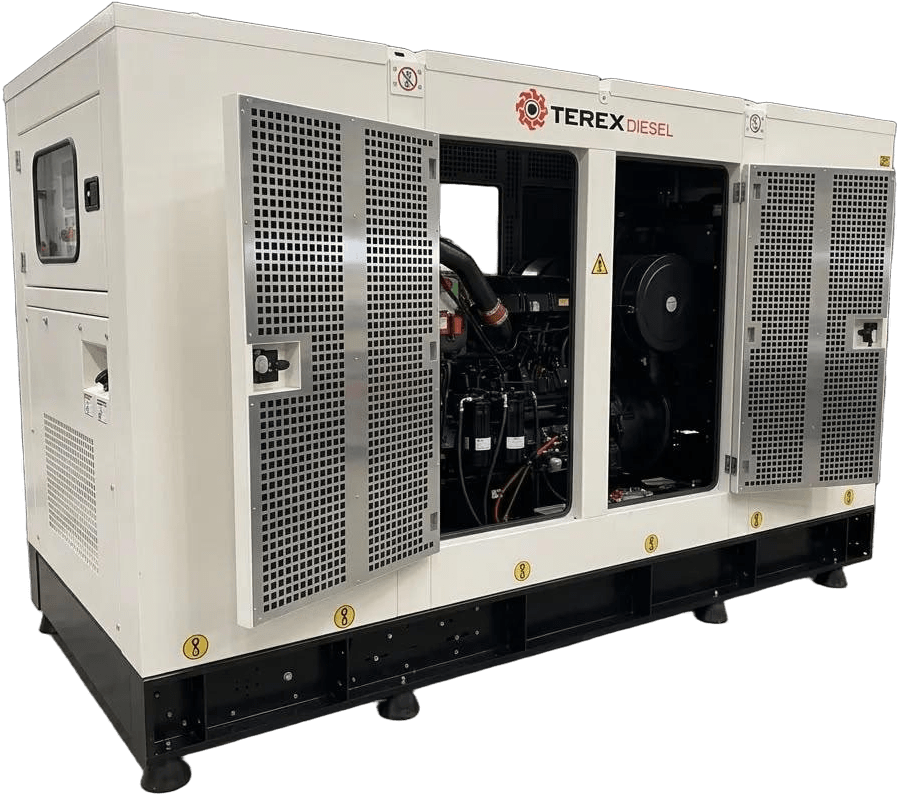
Generator Maintenance Checklist
Generator maintenance checklist: daily, weekly, monthly, 250–500 hour and annual checks; battery, cooling, oil, filters, load testing and wet stacking.
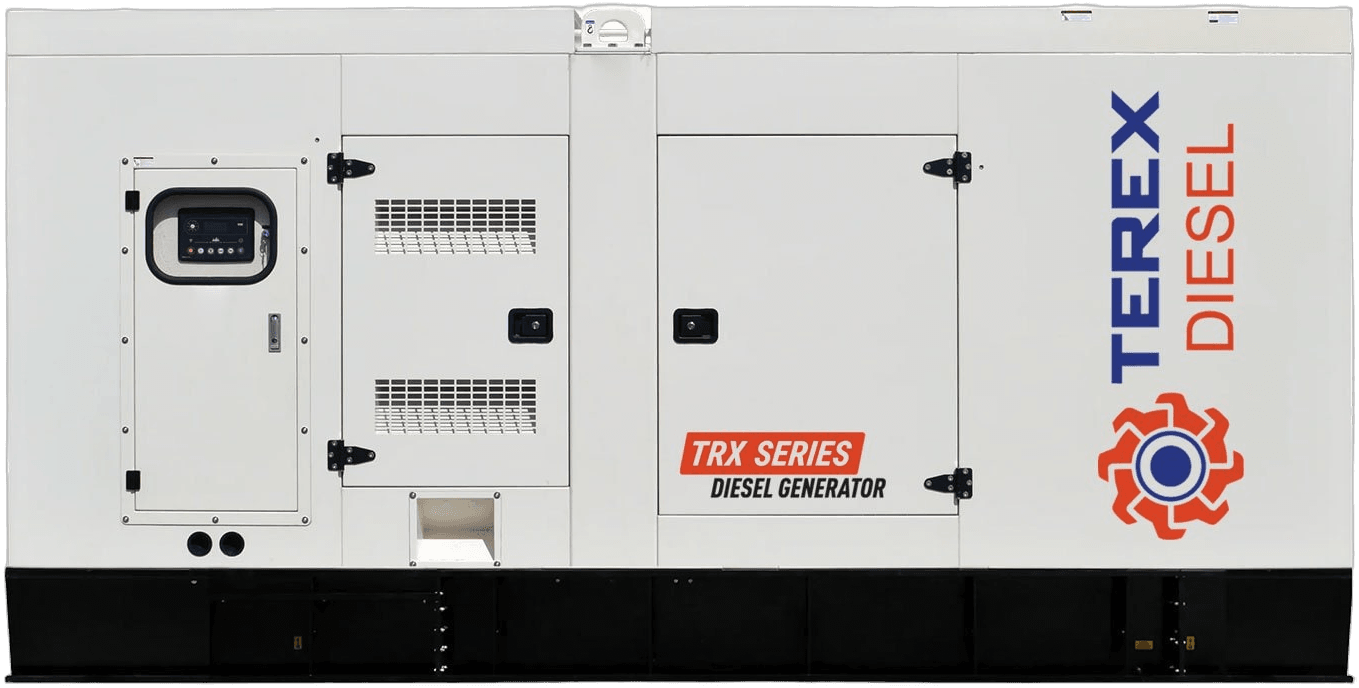
Common Generator Faults and Fixes
Generator won't start, won't take load, smokes or alarms? The most common faults, likely causes, first checks and when to call service.
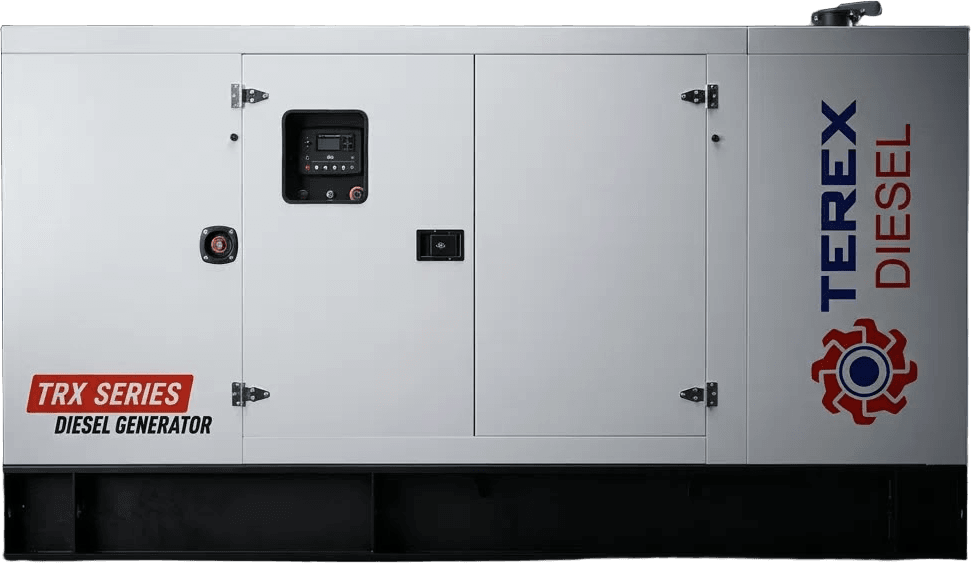
Generator Spare Parts: What to Keep in Stock
Which generator spare parts should you keep in stock? A practical list of filters, belts, batteries, sensors and AVR, set by how the generator is used.

Why Generator Batteries Fail
Why does a generator battery go flat? Battery charger, temperature, parasitic drain, loose connections and age; a checklist for testing and replacement.
Starting a Generator in Cold Weather
Why is a generator hard to start in the cold? A winter checklist: block heater, preheating, winter diesel, battery, oil, antifreeze and canopy measures.
Generator Service Intervals and Maintenance Plan
How often should a generator be serviced? Intervals by running hours and calendar, standby versus prime use, maintenance records and the service plan.