
Using a UPS with a Generator
For a 200 kVA UPS with an IGBT rectifier, plan about 250–300 kVA of generator; an older 6-pulse UPS may need twice that. Harmonics and frequency.
Contents
When a UPS and a generator are used together, the generator supply must be compatible with the UPS. If the generator frequency fluctuates outside the UPS tolerance, the UPS switches back to battery; when the battery autonomy (for example 5 minutes) runs out, the loads shut down even though the generator is running.
For this reason, it is not sufficient for the UPS and the generator to be suitable individually. A UPS covers the outage in zero seconds, but its battery autonomy is limited. A generator supplies power for hours, but typically takes 10–15 seconds to come online. If the two are going to work together, the generator must be sized for the UPS and the settings must be matched to each other.
How does the system work?
- The mains fails. The UPS switches to battery without delay.
- The ATS panel detects the outage and starts the generator.
- The generator settles on voltage and frequency. The ATS transfers the load to the generator.
- The UPS rectifier gradually moves onto the generator supply. Battery charging begins.
- When the mains returns, the ATS transfers the load back to the mains. The UPS carries on without interruption.
How much battery autonomy is needed?
In theory, a few seconds are enough. In practice, they are not. The generator’s first start attempt may fail; the control panel makes a second and third attempt. If an alarm comes up, someone has to intervene. That is why projects usually specify battery autonomy of a few minutes up to 10–15 minutes. In critical facilities, the target time is written into the project specification.
What kVA generator does a UPS need?
For a generator, a UPS is not an ordinary load. The calculation includes:
- The load the UPS supplies.
- UPS losses: rectifier and inverter efficiency.
- Battery charging power: After an outage, while the discharged batteries are recharging, the UPS input rises noticeably. This is the item most often forgotten.
- Harmonics: The rectifier draws non-linear current. The alternator’s impedance is higher than the grid’s. The same harmonic current creates more voltage distortion on a generator.
Widely accepted approximate ratios by rectifier type:
| UPS rectifier type | Input current harmonics (THDi, typical) | Generator / UPS rating (approximate) |
|---|---|---|
| IGBT (active) rectifier | < 5% | 1.25–1.5 × |
| 12-pulse thyristor + filter | ~10% | ~1.5 × |
| 6-pulse thyristor, no filter | ~25–35% | 2 × or more |
Example: for a 200 kVA UPS with an IGBT rectifier, a generator of approximately 250–300 kVA is considered at the preliminary selection stage. For an older 6-pulse UPS of the same rating, this figure can rise to 400 kVA and above. The ratios are for preliminary selection; the final decision is made with the UPS and generator manufacturers’ data. Loads other than the UPS (air conditioning, lighting, pumps) are added separately; see what kVA generator do I need and the power calculator.
Common problems on site
The UPS drops to battery on the generator. When load is applied to the generator, frequency dips briefly. If the UPS input tolerance is set narrow, it treats this as a “bad mains” and goes back to battery. Solution: widen the UPS input frequency tolerance and bypass synchronization window to suit the generator, and use an electronic speed governor on the generator. This is the most common cause of the scenario at the start of this article.
The whole load comes on at once. If the UPS rectifier takes the load in one go, a sharp voltage and frequency dip occurs on the generator. Solution: have the rectifier take the load gradually over a few seconds (walk-in / soft start). If there are several UPSs, stagger their transfers a few seconds apart.
Voltage wanders at low load. The input filters of some UPSs produce capacitive (leading) reactive power at low load. Alternators have limited capability with capacitive loads; the AVR may become unstable. Solution: switch the filters in together with the load, and check the alternator’s capability curve.
The voltage waveform is distorted. With harmonic-heavy loads, alternator selection matters. Permanent magnet excitation (PMG) or an auxiliary excitation system helps the AVR run stably with these loads.
Test: simulate the outage
A UPS–generator system is only proven by a real outage. Running the generator off-load, or doing the UPS battery test separately, is not enough. The recommended approach: at a suitable time, open the mains breaker and follow the chain from start to finish. Did the UPS switch to battery? How many seconds did the ATS take to transfer? Did the UPS accept the generator supply, or did it stay on battery? What happened to the generator load when battery charging started? Was the retransfer smooth when the mains returned? If the answer to any of these questions is “we don’t know”, the system has not been tested yet. During the test, voltage, frequency and UPS alarm logs should be recorded.
Where does this come up?
- Data centres: UPS for the servers, usually redundant generators for long-duration supply.
- Hospitals: UPS for medical equipment and information systems, generator for the whole facility.
- Telecom, banking, industrial control and security systems.
Checklist
- Are the UPS rectifier type and input THDi value known?
- Has battery charging power been added to the generator calculation?
- Is the battery autonomy comfortably longer than the generator’s time to come online?
- Have the UPS input frequency tolerance and bypass window been set?
- Is the rectifier walk-in feature enabled?
- Has the switch-on of multiple UPSs been staggered?
- Has leading power factor at low load been checked?
- Has the system been tested with a real outage by opening the mains breaker?
Next step
A UPS and a generator can be matched with confidence when the data from both sides is assessed together. Share your UPS model and load information with the Terex Diesel team, and we will determine the right generator rating together: contact us.
Planning a generator for a project?
Send us the power, voltage and destination. We reply with a suitable model, the factory price and the lead time within 24 hours on working days.
Frequently asked questions
Why is a UPS needed when there is a generator?
A diesel generator typically takes 10–15 seconds to start and pick up the load. Computers, servers, medical equipment and control systems cannot tolerate even this short interruption. The UPS supplies the load from its batteries until the generator comes online and provides a seamless transfer; the generator then covers long-duration power.
What kVA generator does a UPS need?
There is no fixed ratio; it depends on the UPS rectifier type and the battery charging power. For modern UPSs with IGBT rectifiers, the generator is usually sized at approximately 1.25–1.5 times the UPS rating; older 6-pulse thyristor rectifier systems may need 2 times or more. The exact value should be determined from the UPS and generator manufacturers' data.
Why does a UPS switch to battery when running on a generator?
The most common reason is that the generator frequency goes outside the UPS input tolerance; frequency fluctuates briefly, especially during load steps. Setting the UPS input frequency tolerance and bypass synchronization window to suit generator operation, using a rectifier soft start (walk-in) and fitting an electronic governor on the generator usually solve the problem.
Featured models
Technical data of models in frequently requested power ratings:
- 38 kVATRX QZ TA 0038Quartz Q490ZD
- 58 kVATRX QZ TA 0058Quartz Q4105D
- 77 kVATRX QZ TA 0077Quartz Q4105ZD
- 105 kVATRX QZ TA 0105Quartz Q4105AZLD
- 155 kVATRX QZ TA 0155Quartz Q6105AZLD
- 260 kVATRX SD TA 0260SDEC SC9D310D2
- 300 kVATRX SD TA 0300SDEC SC9D340D2
- 400 kVATRX SD TA 0400SDEC SC15G500D2
- 520 kVATRX SD TA 0520SDEC SC25G610D2
Related articles
Generator Room and Installation
Generator room ventilation and installation guide: radiator air discharge, exhaust line and back pressure, fuel, concrete plinth, vibration and earthing.
What Is an ATS? Automatic Transfer Switch
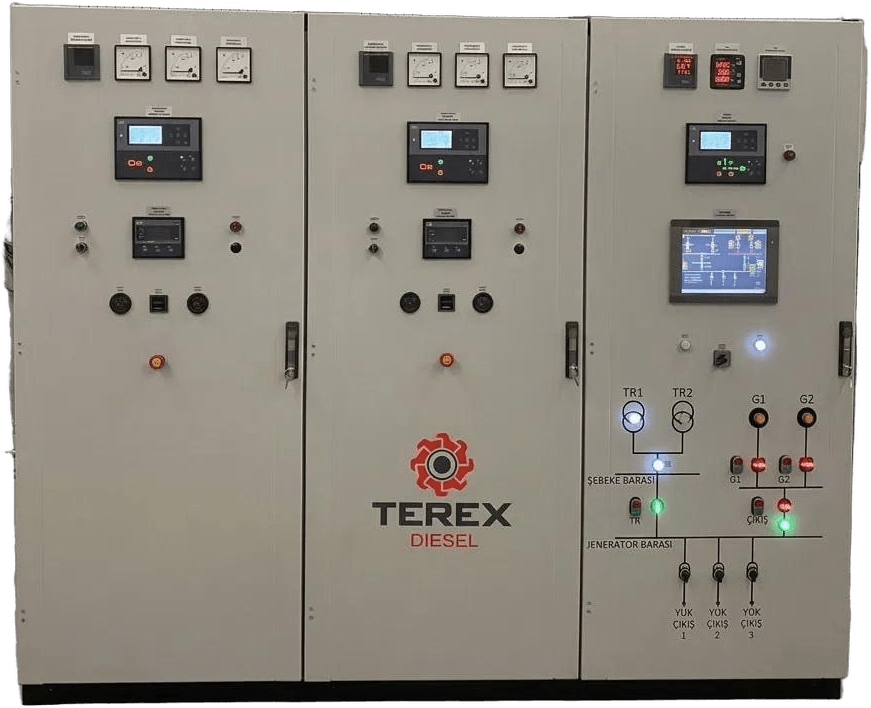
What is an ATS and how does it work? Transfer sequence, delay times, 3- or 4-pole choice, current calculation (kVA × 1.44) and a checklist.
Generator Earthing (Grounding)
How is a generator earthed? Protective and system earthing, TN and TT systems, the neutral–earth link, ATS pole count and resistance measurement.
Paralleling (Synchronising) Generators
Generator synchronization (paralleling): sync conditions, kW and kVAr load sharing, N+1 redundancy, grid paralleling and a comparison with a single set.
Remote Generator Monitoring
How does generator remote monitoring work? Controller, GSM/4G, Ethernet, Modbus, what values to monitor, alarm settings and cyber security.
Generator Exhaust Systems: Piping, Silencers and Back Pressure
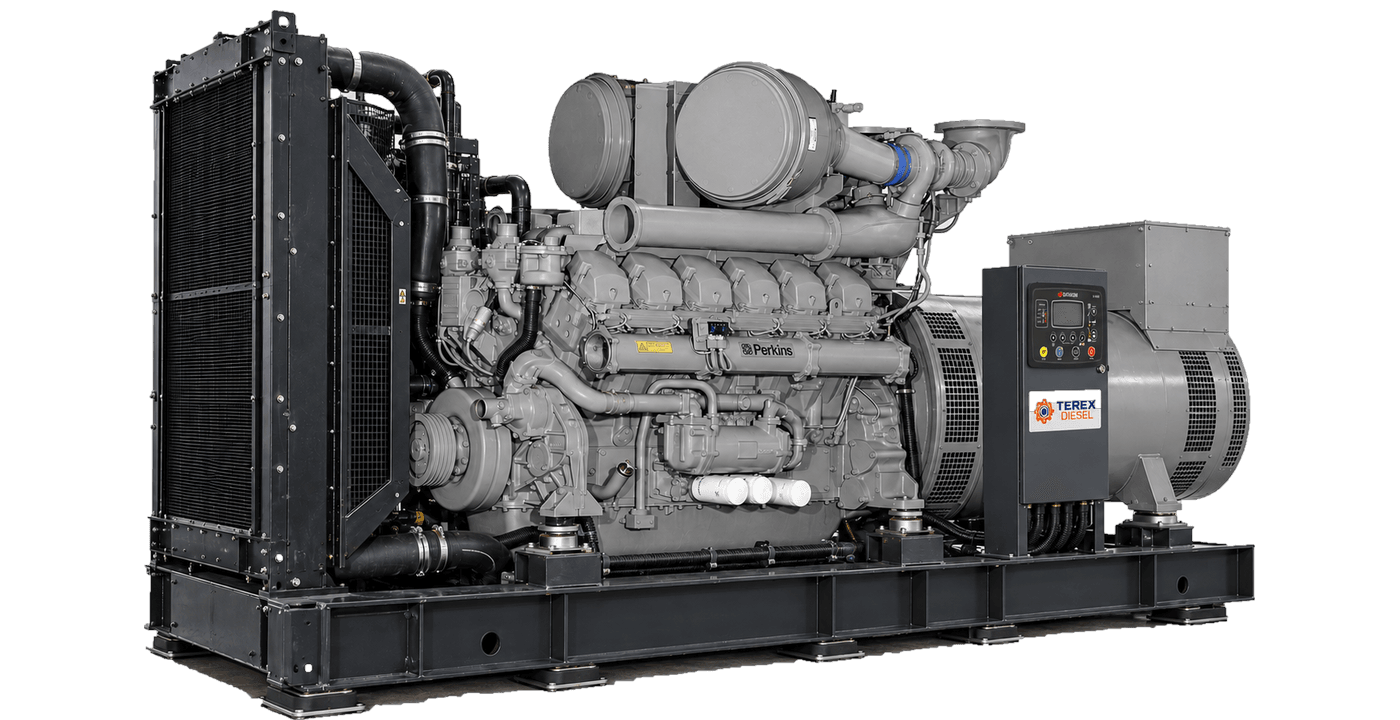
How to design a generator exhaust line: pipe diameter, bends and length, back pressure limit, silencer grades, flexible connector, insulation and outlet.