
Rent or Buy a Generator?
Rent or buy a generator? An impartial decision guide covering duration, criticality, total cost, maintenance responsibility and example scenarios.
Contents
The choice between renting and buying depends on how long and for what purpose the generator will be used. For example, renting is usually the right choice for a construction site that will run for four months, with the grid connection arriving in the third month at the earliest; for a hospital generator that runs about 30 hours a year but is critical for life safety, buying is usually the right choice.
The decision rests on three questions:
- For how long and how often is power needed?
- How critical is an outage for the facility?
- Which option has the lower total cost over the same period?
In short: renting usually comes out ahead for temporary, variable needs, and buying for permanent, critical ones. But the word “usually” matters; do not decide without doing the numbers.
Side-by-side comparison
| Criterion | Renting | Buying |
|---|---|---|
| Initial investment | None, periodic rent | Purchase, installation and design costs |
| Suitable use | Temporary, seasonal, project-based | Permanent backup power or regular running |
| Availability | For the contract period | Always on site |
| Maintenance | Usually the rental company | The owner (can be handed over with a maintenance contract) |
| Flexibility | Rating and number of units can be changed | Limited to the chosen rating |
| Site customisation | Standard sets | Canopy, ATS, tank, noise level to suit the project |
| Accounting | Operating expense | Fixed asset, depreciation |
| At the end of the period | Returned | Resale value remains |
When renting makes sense
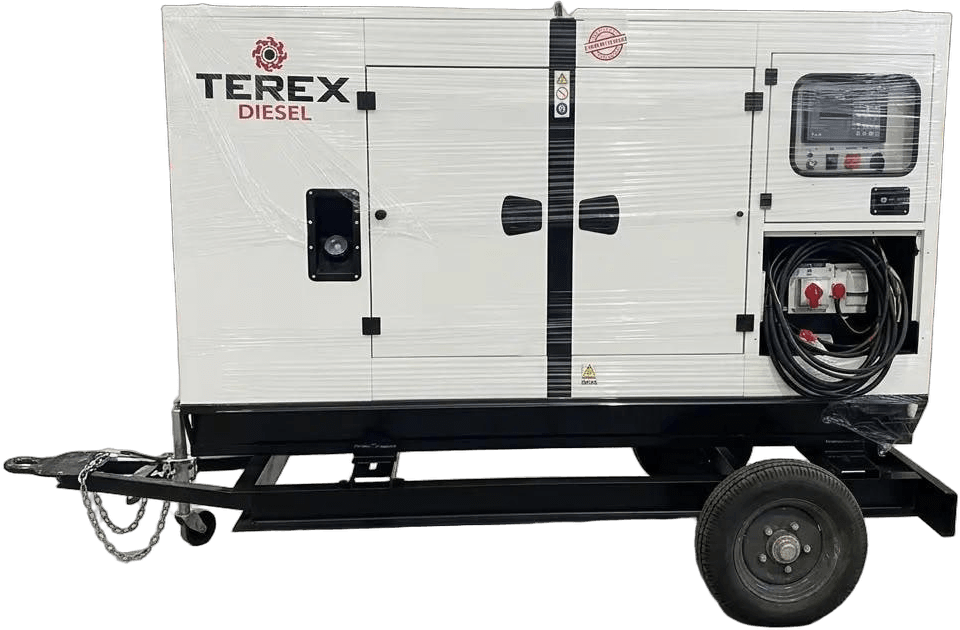
- Construction site: No grid, or the connection will be late, and the work will last a few months. If the set will move from site to site, a trailer-mounted generator makes life easier.
- Event: A three-day concert, trade fair or wedding. Buying makes no sense.
- Breakdown or overhaul: So the facility is not left without backup while the existing generator is under maintenance.
- Waiting for delivery: A stopgap while the permanent generator is being designed or built.
- Uncertain need: At a new facility, the real load is measured for a few months and then a permanent decision is made.
- Seasonal peak: Harvest, tourist season, production peaks.
When buying makes sense
- Critical backup power: Hospitals, data centres, telecom, industry. The generator must come online automatically via the ATS and be ready at all times. In these facilities there is no such thing as “until the rental set arrives”.
- Regular running: On off-grid sites or sites with a weak grid, the generator is the primary power source.
- Site-specific needs: A particular noise limit, long fuel autonomy, a special panel and earthing arrangement.
- Long service life: A well-maintained diesel generator runs for many years. The investment is spread over that period.
Compare costs properly
For the same period of use, put the two totals side by side:
Rental total = rent + transport/installation/removal + fuel + (if any) operator and insurance
Purchase total = purchase price − resale value at the end of the period + installation + maintenance + insurance + financing + storage + fuel
In practice, these are the items most often overlooked:
- The period gets longer. A rental that starts as “two months” can stretch to a year. The break-even point depends on the rating, the contract and the resale value; quoting a general number of months would be misleading. Do the calculation with a realistic period.
- Fuel is a big item under both options. In most contracts fuel is the renter’s responsibility. Estimate consumption with the fuel consumption calculator.
- Maintenance is the hidden cost. Even if a purchased generator runs only a few hours a year, it still needs oil, filters, batteries and coolant. A set left standing without maintenance may not start on the day of the outage. For the scope, see our scheduled maintenance page.
- The wrong rating. A generator chosen “big, to be on the safe side” is wasted money whether rented or bought. A diesel engine running at low load also causes problems of its own. Determine the requirement with the power calculator.
Example scenarios
| Scenario | Usually suitable option | Why |
|---|---|---|
| 4-month building construction | Renting | Temporary; no need once the work is done |
| Hospital backup power system | Buying | Permanent, critical, site-specific |
| 3-day outdoor event | Renting | One-off |
| Continuously running facility on an off-grid site | Buying | Long-term, regular running |
| Existing generator under overhaul | Renting | Temporary backup |
| Factory + seasonal extra load | Buying + renting | Base load permanent, peak rented |
A mixed solution is common: a permanent generator for the base requirement, a rented one for periodic extra power. If several generators will run together, our article on synchronized (parallel) operation gives you an idea.
Before you decide
- For how many months or years is power needed? What is the realistic period?
- How many hours a year will the generator run?
- Does an outage create a risk to life, data loss or production loss?
- Are the required power and load profile clear, or will they change?
- Are the installation location, fuel storage and noise limits known?
- Who will carry out maintenance?
- Has the total cost been calculated separately for both options over the same period?
- Does the contract state responsibility for fuel, transport, insurance and breakdowns in writing?
Next step
For renting, see our generator rental page. If you are thinking of buying, you can list suitable models with the generator finder. To work out with the Terex Diesel team which option suits you, contact us.
Planning a generator for a project?
Send us the power, voltage and destination. We reply with a suitable model, the factory price and the lead time within 24 hours on working days.
Frequently asked questions
When does renting a generator make more sense?
If the need is temporary, renting is usually the better fit: construction sites, events, temporary supply during planned maintenance or a breakdown, while waiting for a new generator to be delivered, or projects where the power requirement is not yet clear. Renting requires no investment, and the maintenance and storage burden mostly sits with the rental company.
When does buying a generator make more sense?
If the generator is a permanent backup power source or will run regularly for a long time, buying is usually the better fit: hospitals, data centres, factories, hotels, residential buildings and off-grid sites. In these facilities the generator must be ready at all times and designed for the site.
How do you compare the cost of renting and buying?
Calculate two totals for the same period. Renting: rental fee + transport, installation and removal + fuel. Buying: purchase price − resale value at the end of the period + installation + maintenance + insurance + financing + storage + fuel. In most cases the user pays for fuel under both options; the contract terms should be checked separately.
Featured models
Technical data of models in frequently requested power ratings:
- 38 kVATRX QZ TA 0038Quartz Q490ZD
- 58 kVATRX QZ TA 0058Quartz Q4105D
- 77 kVATRX QZ TA 0077Quartz Q4105ZD
- 105 kVATRX QZ TA 0105Quartz Q4105AZLD
- 155 kVATRX QZ TA 0155Quartz Q6105AZLD
- 260 kVATRX SD TA 0260SDEC SC9D310D2
- 300 kVATRX SD TA 0300SDEC SC9D340D2
- 400 kVATRX SD TA 0400SDEC SC15G500D2
- 520 kVATRX SD TA 0520SDEC SC25G610D2
Related articles
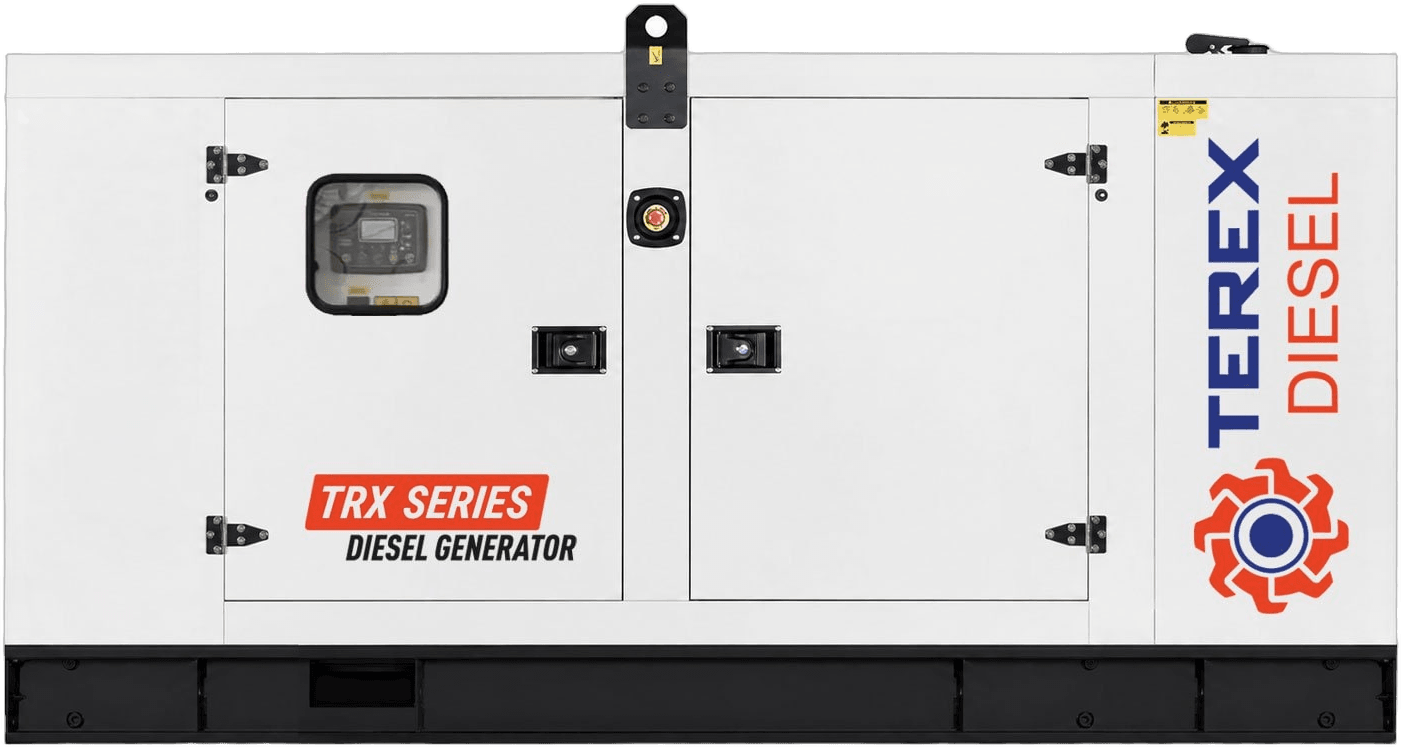
What Is a Diesel Generator?
What is a diesel generator, how does it work and where is it used? A short, clear guide to components, advantages, selection criteria and maintenance.
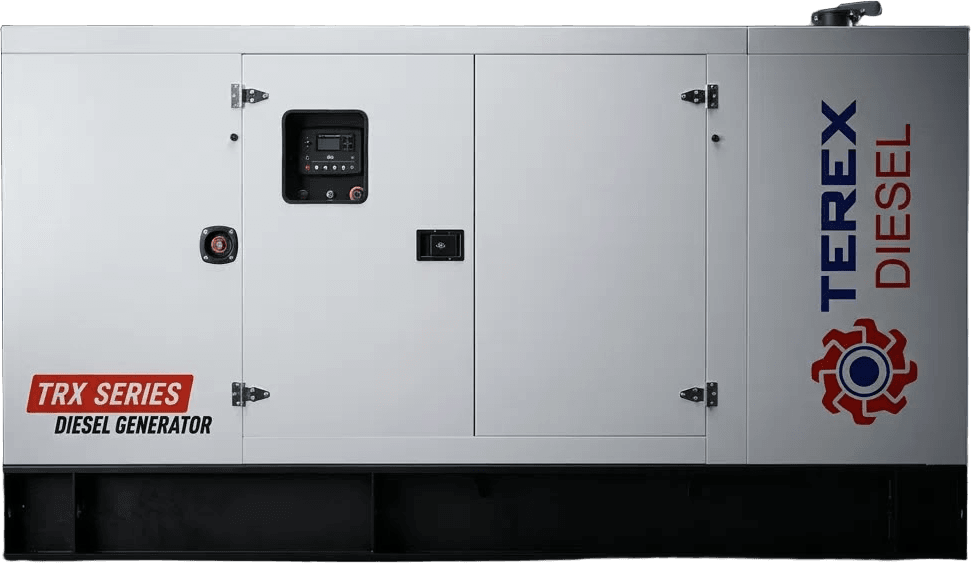
What Determines Generator Price?
Why are two generators of the same kVA priced differently? How engine, alternator, rating, canopy, panel, tank, installation and currency affect price.
Generator Buying Guide
In what order do you decide when buying a generator? A practical guide: load list, rating, phase, canopy, ATS, fuel, location and quote checks.
Importing a Generator from Türkiye: Supplier Checklist
How to check a Turkish generator supplier before you order: manufacturer or broker, component models in the quote, full-load test, documents, parts.
Gas or Diesel Generator?
Gas or diesel generator? An impartial engineering comparison of load acceptance, fuel supply, storage, running hours, emissions and maintenance.
Ukraine Diesel Generator Market 2024–2026
Ukraine's diesel generator imports in 2024–2026 from official statistics: totals, Türkiye, China and EU shares, power classes and seasonality.