
What Is a Diesel Generator?
What is a diesel generator, how does it work and where is it used? A short, clear guide to components, advantages, selection criteria and maintenance.
Contents
Electricity is critical everywhere, from manufacturing and healthcare to data centres and construction sites. Wherever an outage means serious losses, a diesel generator is an indispensable safeguard.
What is a diesel generator?
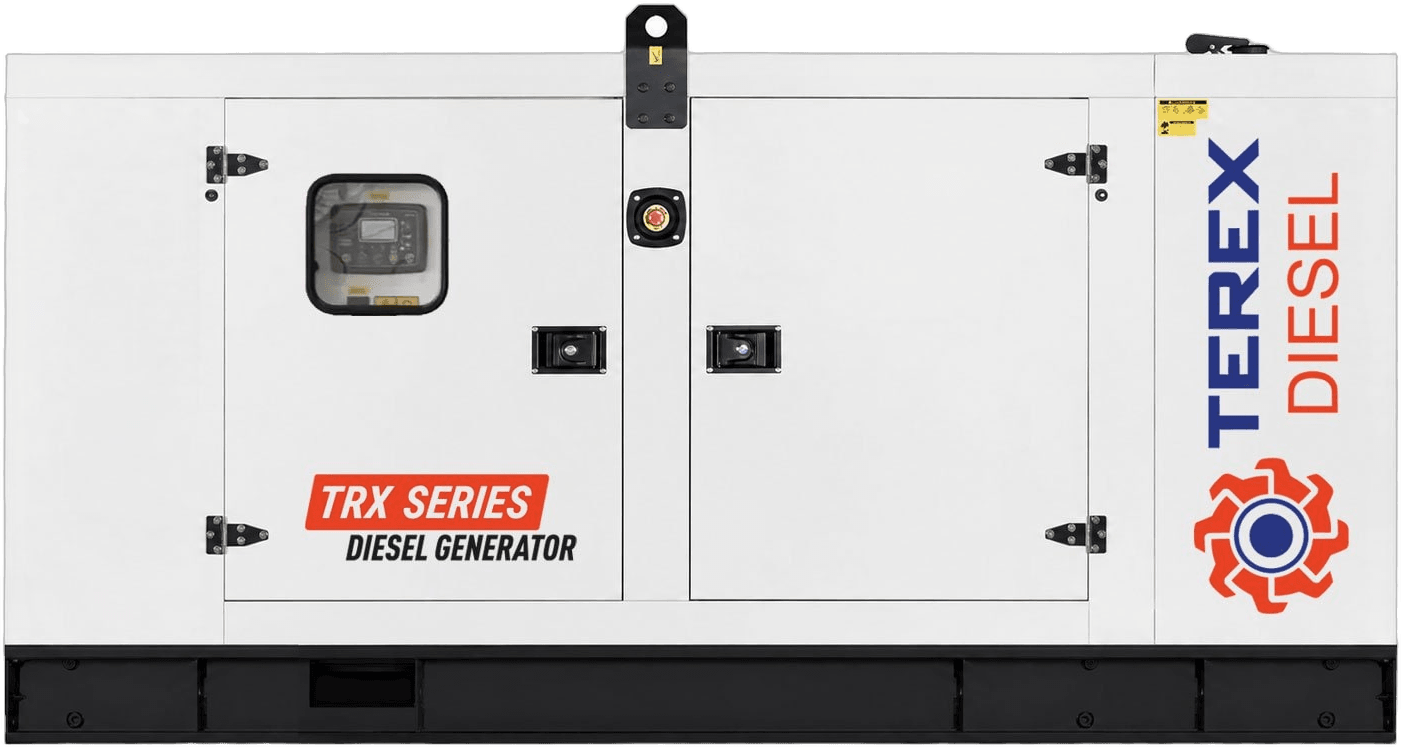
A diesel generator is a power system that converts the mechanical energy produced by a diesel-fuelled engine into electrical energy. It serves as a backup power source when the mains fails and as a primary power source where there is no grid at all.
How does it work?
A diesel generator consists mainly of:
- a diesel engine,
- an alternator,
- a control panel,
- fuel, cooling and exhaust systems,
- a battery and starting system.
The engine burns fuel to produce mechanical motion; that motion turns the alternator, which converts it into electrical energy. With an automatic transfer switch (ATS) panel, the generator starts automatically when the mains fails and disconnects when the mains returns.
Standby and prime power
Generator catalogues list two power ratings. Standby power is the maximum power available for a limited time during mains outages. Prime power is the power available for an unlimited number of hours under variable load and is roughly 10% lower than standby power. A generator that will run continuously should be sized on its prime rating.
Advantages
- Reliability: Engine technology proven for decades in heavy-duty conditions.
- Fuel efficiency: Long running times with lower consumption than petrol systems.
- Long service life: Many years of service with regular maintenance.
- Wide power range: From small businesses to large industrial plants; Terex Diesel builds generators from 10 to 4,125 kVA.
Where is it used?
Factories, hospitals, data centres, telecoms infrastructure, construction sites, hotels and shopping centres, public institutions, mining sites, agricultural operations and emergency systems.
How to choose one
- Power required (standby/prime)
- Purpose: backup or continuous?
- Fuel consumption
- Engine and alternator brand
- Service and spare parts support
- Noise level: canopied or open type
You can use our power calculator to estimate your power requirement quickly.
Why maintenance matters
Oil changes, filter checks, battery tests and general inspections catch faults before they grow and make sure the generator runs when you need it. See our scheduled maintenance page for details.
Planning a generator for a project?
Send us the power, voltage and destination. We reply with a suitable model, the factory price and the lead time within 24 hours on working days.
Frequently asked questions
What is a diesel generator?
A diesel generator is a power system that converts the mechanical energy produced by a diesel-fuelled engine into electrical energy by means of an alternator.
What is the difference between standby power and prime power?
Standby power is the maximum power available for a limited time during a mains failure and allows no overload; prime power is the power available for an unlimited number of hours under variable load and is roughly 10% lower than standby power.
What is the difference between kVA and kW?
kVA is apparent power, while kW is the active power actually converted into useful work; generators are usually rated at a power factor of 0.8, so kW = kVA × 0.8.
Featured models
Technical data of models in frequently requested power ratings:
- 38 kVATRX QZ TA 0038Quartz Q490ZD
- 58 kVATRX QZ TA 0058Quartz Q4105D
- 77 kVATRX QZ TA 0077Quartz Q4105ZD
- 105 kVATRX QZ TA 0105Quartz Q4105AZLD
- 155 kVATRX QZ TA 0155Quartz Q6105AZLD
- 260 kVATRX SD TA 0260SDEC SC9D310D2
- 300 kVATRX SD TA 0300SDEC SC9D340D2
- 400 kVATRX SD TA 0400SDEC SC15G500D2
- 520 kVATRX SD TA 0520SDEC SC25G610D2
Related articles
Rent or Buy a Generator?
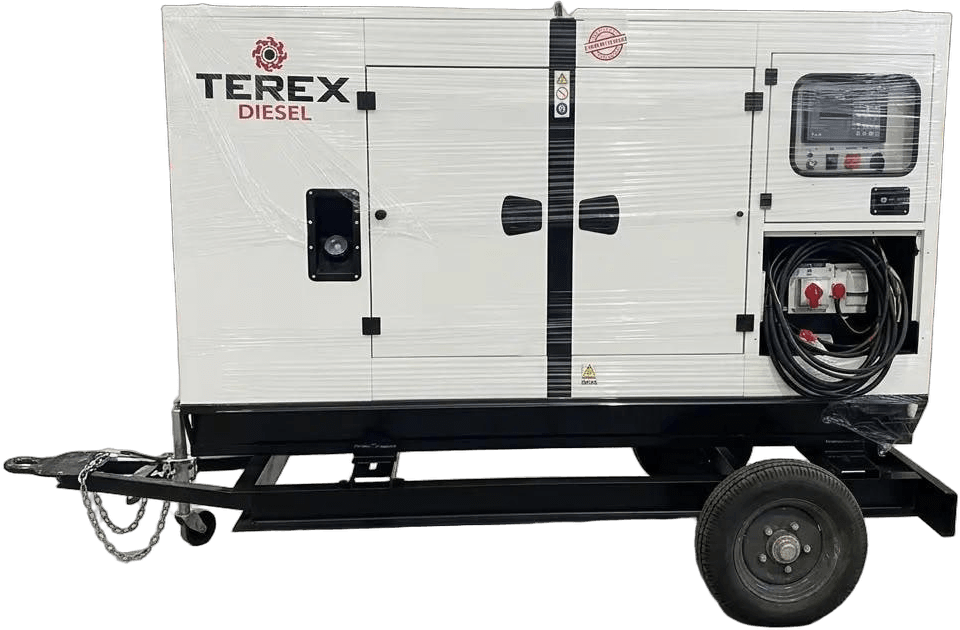
Rent or buy a generator? An impartial decision guide covering duration, criticality, total cost, maintenance responsibility and example scenarios.
What Determines Generator Price?
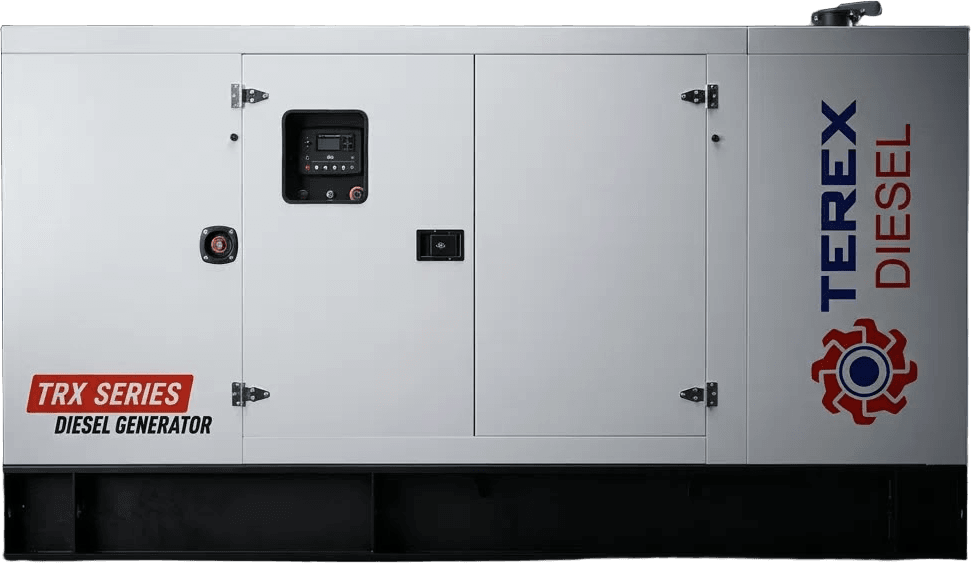
Why are two generators of the same kVA priced differently? How engine, alternator, rating, canopy, panel, tank, installation and currency affect price.
Generator Buying Guide
In what order do you decide when buying a generator? A practical guide: load list, rating, phase, canopy, ATS, fuel, location and quote checks.
Importing a Generator from Türkiye: Supplier Checklist
How to check a Turkish generator supplier before you order: manufacturer or broker, component models in the quote, full-load test, documents, parts.
Gas or Diesel Generator?
Gas or diesel generator? An impartial engineering comparison of load acceptance, fuel supply, storage, running hours, emissions and maintenance.
Ukraine Diesel Generator Market 2024–2026
Ukraine's diesel generator imports in 2024–2026 from official statistics: totals, Türkiye, China and EU shares, power classes and seasonality.